


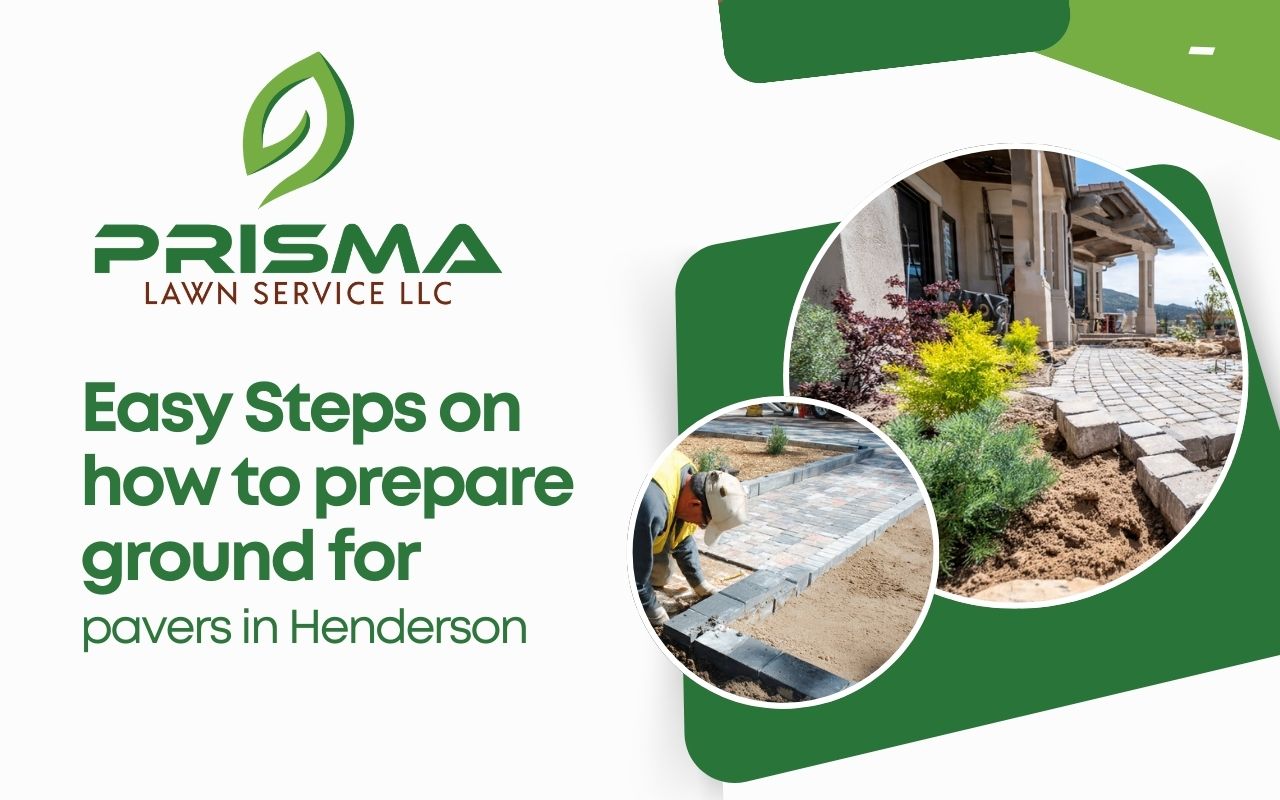
Easy Steps on how to prepare ground for pavers in Henderson
At Prisma Lawn Service LLC, outdoor projects look better and last longer when the base is done right. This guide explains how to prepare ground for pavers in Henderson in a simple way.
A strong start helps stop low spots, poor drainage, and shifting later. It also helps your patio or walkway stay neat through daily use and changing Nevada weather.
Check the Site Carefully Before You Start the Base
Prisma Lawn Service LLC begins by clearing grass, roots, and loose debris. Then, the team marks the area with stakes and string and checks slope, size, soil, and hidden obstacles.
This first step helps avoid cracks, uneven settling, and drainage trouble. It also helps you plan materials well and follow local site rules from the start.
Remove plants, roots, and waste from the area.
Mark the shape with stakes and string.
Check for utility lines, roots, and sprinklers.
Test how fast water drains in the soil.
Find the Right Base Depth for Strong Paver Support
Knowing how to prepare ground for pavers in Henderson means digging to the right depth. Most patios and walkways need 4 to 6 inches of compacted base.
Driveways often need 8 to 12 inches for extra strength. Prisma Lawn Service LLC also leaves room for bedding sand and the full paver thickness.
The paver base depth recommended depends on traffic, soil, and finished height. Good depth planning helps the surface stay even and firm over time.
Pick the Best Base Material for Better Long-Term Stability
When comparing crushed rock base vs sand base, crushed rock gives better support. It locks together under pressure, while sand is mainly useful for leveling.
Prisma Lawn Service LLC often uses crushed rock below and a thin sand layer above. This mix gives strength under the pavers and a smooth setting bed.
Crushed rock holds weight better.
Sand helps make the top layer even.
A mixed system often gives the best result.
Material choice should match the project use.
Compact Each Layer Well to Build a Firm Surface
Compaction for pavers is one of the most important steps. A plate compactor presses the base down, removes air gaps, and helps create a stable surface.
Prisma Lawn Service LLC compacts in small lifts instead of one deep layer. This method helps stop dips, bulges, and loose areas later.
After each pass, check the surface with a straightedge. Fix high and low spots before moving to the next layer.
Use Fabric and Slope to Help Control Water Flow
Geotextile fabric under pavers helps keep soil and base stone apart. Because of that, the base stays cleaner and stronger, especially in clay or soft soil.
Prisma Lawn Service LLC also checks paver slope drainage requirements so water moves away from structures. In many cases, a light slope helps stop pooling and erosion.
Lay fabric flat over the prepared subgrade.
Overlap seams by at least 6 inches.
Keep a steady slope across the full area.
Add drainage help where soil drains slowly.
Frequently Asked Questions
How deep should the base be for a patio?
Most patios need 4 to 6 inches of compacted base, plus bedding sand and the paver thickness. Heavier areas need more depth.
Is crushed rock better than sand under pavers?
Yes, crushed rock is usually better for the main base because it is more stable. Sand is better used as a thin leveling layer.
Why does compaction matter so much?
Good compaction helps stop shifting, sinking, and cracks. It makes the base stronger and helps the surface stay level.
Do I need fabric under the pavers?
Many projects benefit from it. Geotextile fabric under pavers helps separate soil from the base and supports drainage.
What joint sand works best after installation?
When looking at polymeric sand vs regular sand, polymeric sand usually helps more with weeds and joint hold after it is activated with water.
Secure the Edges and Avoid Common Installation Problems Early
Paver edging restraint importance is clear because edges keep the pattern tight. Without strong edging, pavers can move sideways and lose their clean shape.
Prisma Lawn Service LLC uses edging that fits the project style and holds the border in place. This simple step helps prevent common paver installation mistakes before they start.
For projects that need expert planning, explore paver and outdoor services from Prisma Lawn Service LLC to see the next best step for your space.
Final Ground Checks Before Installing and Caring for Pavers
Before setting pavers, Prisma Lawn Service LLC checks the surface again for level, depth, and smooth bedding sand. This final review is a smart part of how to prepare ground for pavers in Henderson.
Keep tools close, avoid walking on the screeded sand, and fill joints well after installation. Later, sweep often, refill sand as needed, and clean spills early.
When you want a surface that lasts, learning how to prepare ground for pavers in Henderson makes every step easier. For project advice tailored to your yard, visit the contact Prisma Lawn Service LLC for paver project help page.